Finding the perfect kids camp can feel like searching for a needle in a haystack. With so many options out there, parents often find themselves overwhelmed. Do you want a camp focused on arts and crafts or one that turns your little tyke into the next Olympic athlete? The choices are endless, and let’s be honest, nobody wants to send their kid to a camp where the highlight of the day is a three-legged race.
Importance Of Choosing The Right Kids Camp
Selecting the right kids camp significantly impacts a child’s development and well-being. Parents recognize that a camp aligns with their child’s interests and abilities. Engaging activities foster creativity, teamwork, and personal growth. Moreover, social skills often strengthen when children interact with peers in a camp setting.
Programs that emphasize fun, education, and physical activity contribute to a child’s overall health. Statistics indicate that 75% of children report feeling happier after participating in camp activities. Camps specializing in arts, sports, or outdoor adventures provide unique opportunities for skill enhancement.
Finding a camp that promotes safety, inclusivity, and positive mentorship builds trust among parents and children. Parents appreciate camps that offer experienced staff members who understand children’s needs. Children’s emotional intelligence often grows in supportive environments.
Personal connections formed at camp can lead to lifelong friendships. Many campers cherish bonds developed during shared experiences, cultivating a sense of belonging. Environments that offer diverse activities ensure that each child’s curiosity is engaged.
Ultimately, the right camp nurtures existing talents while introducing new interests. Selecting a lackluster camp may stifle a child’s enthusiasm for exploration and growth. Parents benefit from researching available options to make informed decisions, prioritizing quality, engagement, and safety.
Factors To Consider When Choosing A Kids Camp
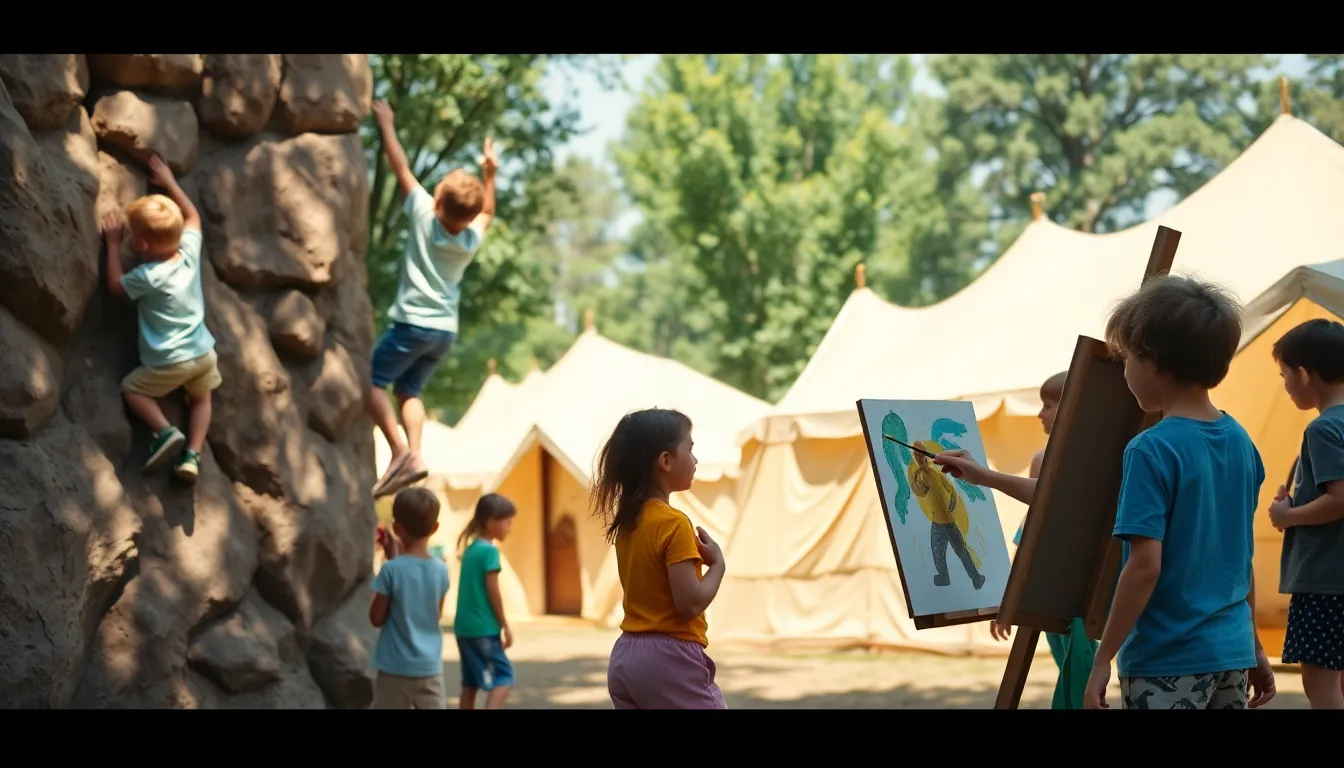
Selecting the right camp involves careful consideration of several key factors. Understanding these aspects aids in making an informed choice.
Location And Accessibility
Location plays a crucial role when choosing a camp. Parents often look for camps that are convenient to reach, reducing travel time and stress. Proximity enhances the likelihood of consistent participation. Families may prefer camps within a short driving distance, ensuring easy drop-off and pick-up. Accessibility matters too; camps should accommodate those with mobility challenges, ensuring all kids can participate.
Camp Type And Focus
Different camps specialize in various activities, influencing children’s engagement levels. Academic camps focus on learning, while adventure camps emphasize outdoor skills. Arts and crafts camps nurture creativity, and sports camps promote physical fitness. Parents should consider their child’s interests when evaluating camp types. Identifying a camp that aligns with a child’s preferences fosters enthusiasm and ensures a fulfilling experience. Programs that emphasize fun and educational components contribute positively to overall development.
Safety And Staff Qualifications
Safety remains a top priority for parents selecting camps. Established camps implement strict safety protocols to protect children. Trained staff members ensure proper supervision during activities. Staff qualifications also significantly impact the camp environment. Experienced personnel possess the skills to manage various situations effectively. Camps should provide information on staff backgrounds, including certifications in first aid and child development. This transparency builds trust between parents and camp directors, ensuring peace of mind for everyone involved.
Benefits Of Sending Kids To Camp
Sending kids to camp offers numerous advantages that foster growth and development. Engaging environments provide children with opportunities to thrive socially, emotionally, and skill-wise.
Social Development
Social interaction plays a crucial role in a child’s development. Camps encourage children to make new friends and build relationships with peers. Experiencing team activities cultivates teamwork and communication skills. Additionally, diverse settings promote inclusivity, exposing kids to various backgrounds and perspectives. Children learn to navigate social dynamics, enhancing their confidence and empathy. It’s reported that 75% of children feel happier after participating in camp activities, highlighting the importance of positive social environments.
Skill Building
Skill development thrives in camp settings due to varied programs that cater to interests. Camps often focus on arts, sports, or academics, allowing children to explore their passions. Not only do kids refine existing talents, but they also discover new skills, which boosts self-esteem. Hands-on learning experiences are common, enabling children to engage actively rather than passively. According to the article, effective camps emphasize fun while fostering education and personal growth, contributing to children’s overall capabilities. Through these experiences, children enhance critical thinking and adaptability, preparing them for future challenges.
Tips For Parents
Choosing a camp can be challenging, but being informed eases the process for parents. Prioritizing the right questions ensures that families find the best fit.
Asking The Right Questions
Parents must inquire about various aspects of potential camps. What activities engage children? Understanding the programming helps determine if it aligns with a child’s interests. How experienced are the staff members? Asking about their qualifications provides insight into the care level. What safety protocols are in place? Camps with strict guidelines contribute to a secure environment. Addressing these questions not only builds trust but also identifies programs that promote growth and happiness. Remember, a focus on activities that nurture talent and creativity makes a significant difference.
Involving Your Child In The Decision
Including children in the camp selection process fosters excitement and ownership. Ask about their preferences for activities. Discussing interests and passions helps ensure that the chosen camp resonates with them. What type of environment does your child prefer? Engaging them in discussions about social aspects and camp culture promotes comfort in the decision-making process. Involving kids can enhance their enthusiasm and willingness to participate, as they feel more connected to their choice. Ultimately, when children contribute to the decision, it increases their happiness and dedication during camp experiences.
Finding the right kids camp is a journey that can significantly impact a child’s growth and happiness. By considering factors like interests, safety, and the camp’s overall environment, parents can make informed choices that align with their child’s needs. Engaging activities and positive mentorship are essential for fostering development and creating lasting memories.
Encouraging children to participate in the decision-making process not only boosts their excitement but also helps ensure the camp experience is fulfilling. Ultimately, the right camp can nurture a child’s talents while introducing them to new passions, setting the stage for a joyful and enriching summer.