In a world where translation often feels like a game of telephone, the Pledge of Allegiance in Spanish stands out as a unique bridge between cultures. Imagine reciting those iconic words, but with a twist that adds a little spice to the mix. Whether you’re a language lover, a curious patriot, or just someone who enjoys a good linguistic adventure, this topic promises to tickle your brain cells and spark some interesting conversations.
The Pledge of Allegiance in Spanish
The Pledge of Allegiance in Spanish serves as a vital link for Spanish-speaking individuals in the United States. This version, known as “El Juramento a la Bandera,” maintains the same patriotic spirit as the original English text. Understanding this pledge offers insights into cultural diversity and unity within American society.
“El Juramento a la Bandera” reads:
“Yo prometo lealtad a la bandera de los Estados Unidos de América, y a la república que representa, una nación, bajo Dios, indivisible, con libertad y justicia para todos.”
This translation emphasizes core values of loyalty, unity, and freedom. Many schools across the United States incorporate this pledge into daily routines, allowing students to express their respect for the country in their native language.
Teachers often encourage discussions around its meaning, promoting bilingual education and fostering inclusivity. Celebrating linguistic differences enhances cultural awareness, especially in communities where Spanish is spoken widely.
Engaging with the pledge in Spanish cultivates a sense of belonging among diverse populations. Bridging the gap between languages enriches the educational experience for students and honors the multicultural fabric of the nation.
Preserving the tradition while embracing translations adds depth to the understanding of national pride. The Pledge of Allegiance, offered in both English and Spanish, exemplifies the rich tapestry of American identity, showcasing the importance of inclusivity in patriotic expressions.
Historical Background
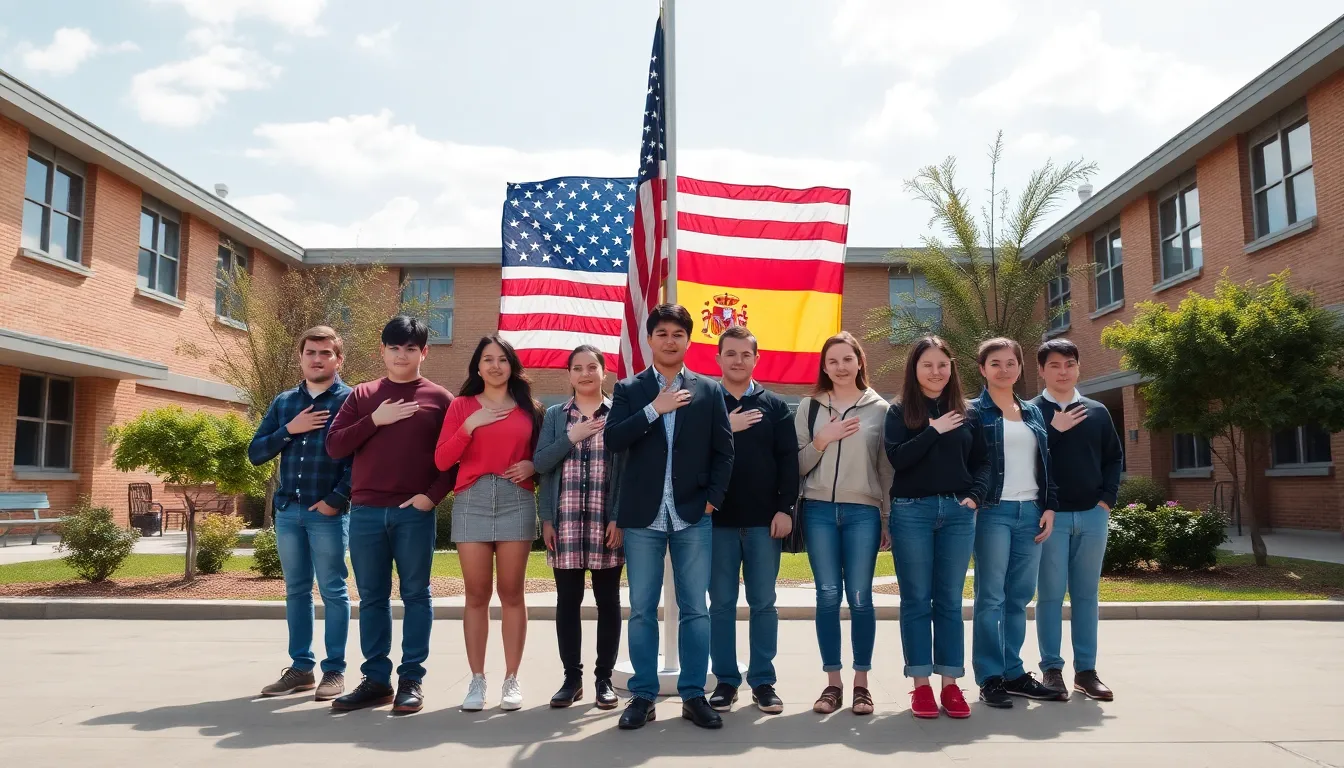
The Pledge of Allegiance has deep roots in American history, reflecting national values and unity. The original text, authored by Francis Bellamy in 1892, aimed to inspire patriotism among school children.
Origins of the Pledge
Bellamy’s version evolved from his role in promoting flags for public schools. The initial wording emphasized loyalty to the United States and its ideals. Over time, Congress officially recognized the pledge in 1942, solidifying its status in American culture. Various adjustments shaped the content, including the addition of “under God” in 1954, adapting the pledge to different contexts while retaining its essence.
Adoption of Spanish Translation
El Juramento a la Bandera emerged as a response to the growing Spanish-speaking population in the United States. Schools began adopting this translation to foster inclusivity and respect for diverse backgrounds. The pledge’s Spanish version mirrors the core values found in the original, promoting loyalty and unity in a familiar language. Incorporating this translation into daily routines allows Spanish-speaking students to participate fully in patriotic expressions.
Cultural Significance
The Pledge of Allegiance in Spanish, or “El Juramento a la Bandera,” plays a crucial role in connecting diverse communities. This version mirrors the values of the original, maintaining the spirit of loyalty and unity essential to American identity.
Understanding the Importance
Understanding this pledge helps highlight its importance within the American cultural landscape. It offers Spanish speakers a means to express patriotism in their native language. Students reciting the pledge can connect with their heritage while embracing national values. Schools incorporating “El Juramento a la Bandera” foster a sense of belonging among diverse student populations. Such practices promote inclusivity and provide opportunities for all students to engage in shared traditions.
Impact on Spanish-Speaking Communities
The impact on Spanish-speaking communities is significant. “El Juramento a la Bandera” reinforces a sense of identity and belonging among individuals. It serves as a bridge between languages and cultures, allowing greater participation in patriotic expressions. Schools that adopt the Spanish version see enhanced engagement from students who relate more closely to their heritage. This increased participation contributes to broader community integration, strengthening ties within the multicultural fabric of America.
Comparison with English Version
The Pledge of Allegiance in Spanish and its English counterpart share a fundamental purpose but present notable distinctions.
Key Differences
“El Juramento a la Bandera” features language uniquely tailored to resonate with Spanish-speaking audiences. For instance, specific phrasing in Spanish may evoke different emotional responses compared to English. Cultural nuances, such as the style of expression, also differ, enabling Spanish speakers to connect with the pledge intimately. The structure maintains a similar arrangement to the English formalities yet adapts the wording for authenticity. Additionally, differences in pronunciation and cadence contribute to the overall experience of reciting the pledge.
Similarities in Meaning
Both versions encapsulate core values of loyalty, unity, and freedom. The intent behind each phrase aligns closely, reflecting the same patriotic spirit. Each version serves as a rallying point for national pride, promoting a sense of belonging. Spanish-speaking students are encouraged to embrace the same devotion to the country as their English-speaking peers. The universal themes of hope and respect permeate both, fostering inclusivity across diverse backgrounds. Ultimately, both pledges emphasize the commitment to shared ideals and strengthen community bonds.
Current Usage
The use of “El Juramento a la Bandera” reflects a growing appreciation for bilingualism in the U.S. Various educational institutions incorporate the Spanish pledge, offering students an opportunity to express patriotism in their native language. Many schools feature it alongside the English version, fostering an inclusive environment. This practice bridges the cultural gap and enhances the sense of belonging among students from diverse backgrounds.
Educational Context
In educational settings, the Spanish pledge resonates with Spanish-speaking students, promoting engagement and participation. Teachers utilize “El Juramento a la Bandera” during morning announcements, creating a shared ritual that unites students. Many language and cultural programs actively encourage the integration of bilingual practices. These programs not only empower students but also enhance cultural understanding within the classroom, celebrating diversity through shared values.
In Public Events
Public events frequently feature “El Juramento a la Bandera,” showcasing its significance in community gatherings. Many celebrations, such as Independence Day and cultural festivals, include both versions of the pledge, reinforcing unity among attendees. Local governments and organizations acknowledge the importance of inclusivity, often inviting Spanish-speaking community members to participate. This participation fosters a powerful sense of nationalism while highlighting the rich cultural tapestry of America.
The Pledge of Allegiance in Spanish serves as a vital expression of patriotism for Spanish-speaking individuals in the United States. By embracing “El Juramento a la Bandera,” schools and communities foster inclusivity and respect for diverse backgrounds. This bilingual approach not only enhances students’ sense of belonging but also strengthens community ties, reflecting the rich cultural tapestry of America.
As the nation continues to evolve, the integration of both English and Spanish pledges symbolizes a commitment to unity and shared ideals. This practice encourages all students to engage with their national identity, promoting a deeper understanding and appreciation of the values that bind them together. Ultimately, “El Juramento a la Bandera” stands as a testament to the power of language in bridging cultural divides.