High school orientation: the magical event where students trade their childhood for lockers and homework. It’s the moment when nervous freshmen step into a world of bustling hallways and endless possibilities. But don’t worry; it’s not all doom and gloom! Think of it as a rite of passage, complete with awkward icebreakers and the chance to score free snacks.
What Is High School Orientation?
High school orientation serves as an essential introduction for freshmen entering a new academic environment. This event typically occurs shortly before the start of the school year. Students engage in various activities designed to help them acclimate. They meet teachers and staff, learning about the school’s resources and support available.
Expect a tour of the campus, offering insights into essential locations like the library, cafeteria, and gymnasium. Freshmen also receive information on class schedules, academic expectations, and school policies. This overview reduces anxiety by familiarizing students with what they can expect.
Icebreakers play a pivotal role during orientation, fostering connections among students who share similar feelings of nervousness. Attendees often enjoy free snacks while participating in group activities. Such interactions help build friendships that can last throughout the school year.
Parents typically have opportunities to ask questions and learn about their children’s new environment as well. Schools often arrange informational sessions for parents to understand the academic landscape. These discussions create a collaborative atmosphere where everyone feels involved in the students’ success.
Orientation not only addresses logistical concerns but also emphasizes school culture and values. Understanding this environment prepares students for their new roles and responsibilities. By participating actively, students gain confidence and a sense of belonging, contributing to a positive start to their high school journey.
Importance Of High School Orientation
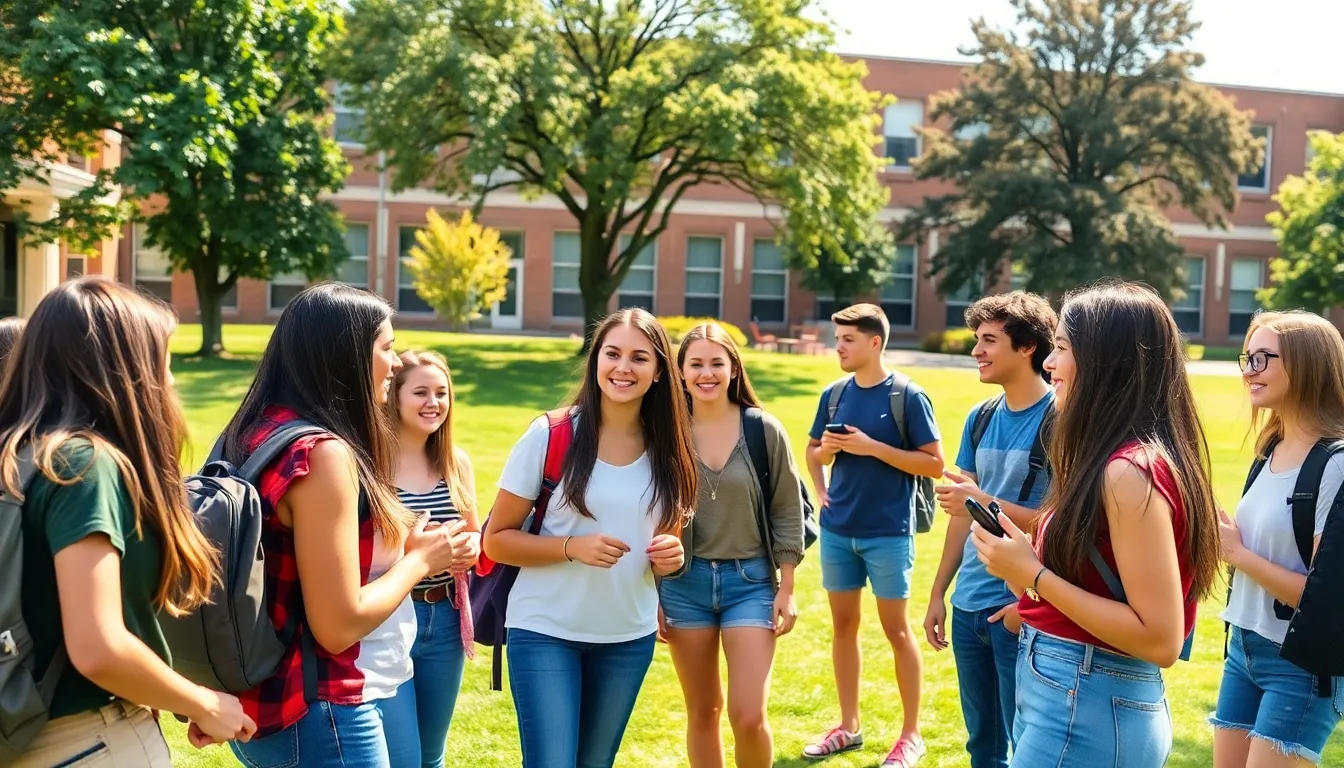
High school orientation plays a vital role in easing freshmen into their new academic environment. This event sparks connections among students and introduces them to important resources.
Building Community
Establishing a sense of community is a primary focus during orientation. Freshmen participate in icebreaker activities that encourage interaction and foster friendships. Groups are formed, allowing students to meet peers with shared backgrounds and interests. Connections made during orientation often lead to long-lasting friendships throughout high school. Staff members also play a crucial role by engaging with students, making them feel welcomed and valued. Opportunities for involvement in clubs and activities are discussed, further enhancing the bond among students. Developing a supportive community early on lays the foundation for a positive high school experience.
Reducing Anxiety
Reducing anxiety remains a key outcome of high school orientation. Familiarizing students with the school lay-out helps lessen feelings of uncertainty. Guided campus tours ensure that freshmen know where to find essential areas like classrooms, restrooms, and the cafeteria. Receiving class schedules and details about academic expectations minimizes confusion about the upcoming year. Orientation workshops address common questions, equipping students with valuable information. Encouraging open dialogue allows students to voice concerns and share experiences, further alleviating stress. Overall, this proactive approach enables students to feel more confident as they transition into high school.
Activities During High School Orientation
Freshmen engage in various activities during high school orientation to facilitate their transition. These activities play a crucial role in helping students acclimate to their new environment.
Campus Tours
Campus tours provide students with a guided exploration of essential locations. During these tours, freshmen visit areas like classrooms, the library, and administrative offices. Familiarity with these spaces reduces anxiety, ensuring they know where to go once classes begin. Knowledgeable upperclassmen often lead the tours, sharing insights about the campus and offering tips for success. Students ask questions while navigating the hallways, making the experience interactive and informative. Engaging with peers during the tour further nurtures a sense of belonging and community.
Meet And Greet Sessions
Meet and greet sessions encourage connections among students, teachers, and staff. Majority of these events take place in informal settings, allowing for relaxed interactions. Students introduce themselves and share interests, fostering camaraderie from the outset. Staff members participate actively, greeting everyone and answering questions about the school. This welcoming environment cultivates a sense of support, helping freshmen feel valued. Opportunities for discovering clubs, programs, and extracurricular activities also arise during these sessions, enhancing student engagement and participation.
Tips For A Successful High School Orientation
High school orientation sets the stage for a smooth transition into a new academic environment. Students can adopt certain strategies to enhance their experience.
Preparing Ahead Of Time
Preparation creates a path to comfort. Students should familiarize themselves with school schedules ahead of time, noting crucial class locations. Visiting the school’s website offers insights into orientation activities and resources. Gathering necessary materials, such as school supplies and a planner, reduces stress on orientation day. Attire matters too; wearing comfortable clothing encourages movement during tours. Additionally, arriving early allows students to acclimate and absorb their surroundings. They can also compile questions for teachers or staff, ensuring a focused dialogue during meet and greets.
Engaging With Peers
Engaging early strengthens connections. Participating in icebreaker activities helps form friendships right away. Approaching classmates and starting conversations builds rapport and eases first-day nerves. Freshmen should explore clubs and extracurricular opportunities, as these settings foster camaraderie among like-minded individuals. Finding common interests creates lasting bonds. Joining group discussions during orientation encourages shared experiences, which can lead to support networks. Connecting with upperclassmen provides valuable insights and mentorship, easing the adjustment to high school life. Creating these relationships lays the groundwork for a supportive community throughout the school year.
High school orientation is a pivotal experience that sets the tone for a successful academic journey. By embracing the excitement and opportunities presented during this event, freshmen can build essential connections and feel more at home in their new environment. The supportive atmosphere created by staff and peers helps ease anxieties and fosters a sense of belonging.
As students navigate through their first year, the friendships and insights gained during orientation will serve as a solid foundation. Engaging in activities and exploring the campus not only enhances comfort but also encourages participation in school life. High school orientation is more than just an introduction; it’s the beginning of a vibrant and transformative chapter in a student’s life.