Navigating high school can feel like trying to find a Wi-Fi signal in a basement—frustrating and confusing. But amidst the chaos of lockers and lunch trays, students face one of the most important decisions of their lives: career planning. It’s not just about picking a major; it’s about shaping a future that doesn’t involve living in their parents’ basement forever.
Understanding High School Career Planning
High school career planning empowers students to make informed choices about their educational paths and future occupations. This process is essential for fostering independence and preparing for life after graduation.
Importance of Career Planning in High School
Career planning significantly influences students’ readiness for their future. Understanding personal interests and skills helps clarify possible career pathways. Early engagement leads to better decision-making regarding course selections. Exploration activities, such as internships and job shadowing, expose students to various industries. Research shows that students who actively plan for their careers often experience higher job satisfaction later in life. Family support in this process can further enhance a student’s confidence and resolve.
Common Misconceptions about Career Planning
Many misconceptions surround high school career planning. One common myth suggests career choices are permanent. In reality, many careers allow for transitions and changes. Others believe that passion alone determines career success, overlooking the importance of skills and practical experience. Another misconception is that students must choose their major immediately after high school, while exploration and gradual discovery can coexist. Additionally, some think career planning is solely the school’s responsibility; however, families, mentors, and community resources play vital roles as well. Addressing these misconceptions helps students feel more empowered to navigate their futures.
Steps to Effective Career Planning
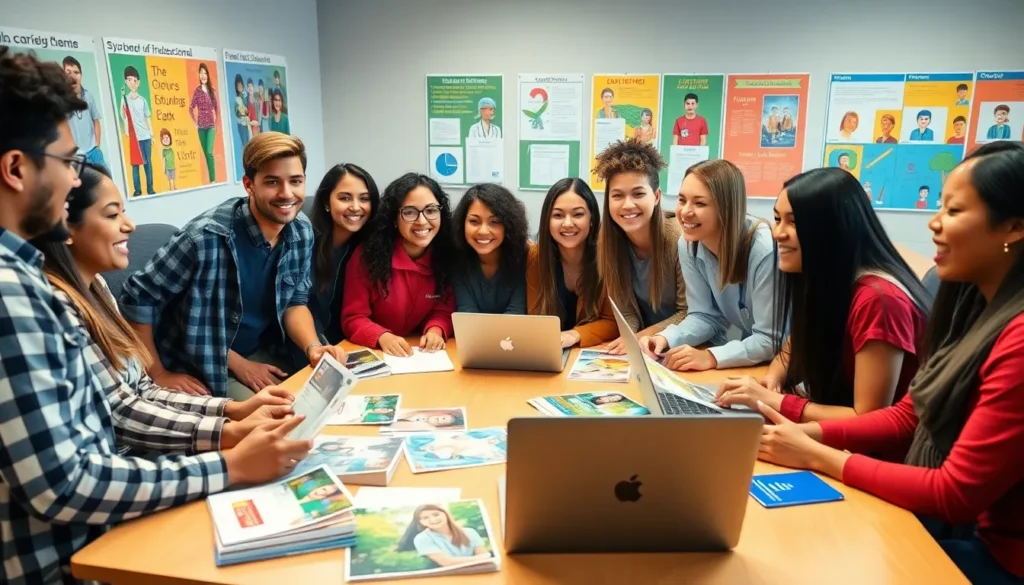
Effective career planning involves several structured steps that guide high school students in making informed choices. By focusing on self-assessment and researching career options, students can better prepare for their futures.
Self-Assessment and Interests
Understanding personal strengths and interests forms the foundation of career planning. Students benefit from reflecting on activities that energize them and skills they excel in. Utilizing self-assessment tools, such as interest inventories and personality tests, provides clarity regarding potential career paths. This insight helps narrow down options that align with their passions. Conversations with teachers, counselors, and family can also enhance self-awareness. Engaging in discussions about hobbies, favorite subjects, and extracurricular activities leads to a deeper understanding of personal goals. Identifying core values and work preferences plays a crucial role in determining suitable professions.
Researching Career Options
Exploring different career options broadens students’ perspectives and aids in decision-making. Researching industry trends, job availability, and required qualifications equips students with necessary information. Online platforms, job boards, and career websites offer valuable resources for this exploration. Networking with professionals through informational interviews or job shadowing allows students to gain firsthand insights into various careers. Attending career fairs exposes them to multiple companies and industries in one setting. Participation in workshops and seminars can enhance knowledge about emerging fields. Gathering this information enables students to align their career goals with market demands and personal aspirations.
Tools and Resources for Career Planning
High school students benefit from various tools and resources that facilitate effective career planning. Utilizing these resources can lead to informed decisions about future paths.
Career Assessments and Surveys
Career assessments help students identify their strengths and interests. Tools like the Myers-Briggs Type Indicator and the Holland Code can clarify personal inclinations. Students can take these assessments online or through school counselors. Surveys often reveal preferences in work styles and environments. Gaining insights from these tools can guide students toward compatible fields. Schools may provide these resources or offer access to external platforms. Engaging in discussions with educators after completing assessments enhances understanding and opens avenues for exploration.
Online Career Exploration Platforms
Online platforms serve as invaluable resources for career exploration. Websites like O*NET Online and CareerOneStop feature detailed information about various occupations. These platforms allow students to research job descriptions, required qualifications, and salary expectations. Interactive elements often engage users, helping them understand different career paths. Many platforms include virtual job shadowing opportunities and video testimonials from professionals. Accessing such resources equips students to make choices aligned with their skills and market demands. Participating in webinars hosted on these sites can further enrich their understanding of specific industries.
Involving Parents and Educators in Career Planning
Engaging both parents and educators in career planning enhances the decision-making process for high school students. Involving families facilitates early discussions about aspirations and opportunities, which fosters a supportive environment. Parents offer unique insights about their child’s strengths, helping students identify compatible career paths.
The Role of Parents in Career Guidance
Parents play a pivotal role in shaping their child’s career trajectory. They can encourage open conversations about interests and skills, aiding students in self-discovery. Parents may share their own work experiences, providing real-world context and pathways that might interest their children. Active participation in school events, such as career days, allows parents to connect with educators and professionals, enriching their child’s understanding of various fields. Trust and encouragement from parents empower students to explore diverse career options, promoting resilience and adaptability.
Educator Support and Resources
Educators provide essential support by guiding students through the career planning process. Teachers and counselors help identify individual strengths through assessments, facilitating conversations that clarify career goals. Access to resources like internship programs and job shadowing experiences equips students with practical insights. Schools often host workshops that inform students about industry trends, qualifications, and job market demands. Educators can also leverage community partnerships, connecting students to local professionals who offer mentorship and networking opportunities. This collaborative approach fosters informed decision-making, aligning students’ aspirations with achievable career paths.
High school career planning is a vital process that shapes students’ futures and fosters independence. By actively engaging in self-assessment and exploring various career options, students gain clarity on their interests and strengths. This proactive approach not only enhances decision-making but also prepares them for life after graduation.
Support from families, mentors, and educators amplifies the effectiveness of career planning. Open discussions and networking opportunities help students align their aspirations with market demands. By recognizing that career paths can evolve, students can approach their futures with confidence. Ultimately, laying the groundwork for a fulfilling career starts long before graduation, making early planning essential for success.